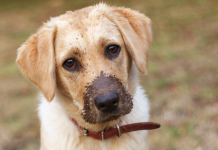
A new study from the Royal Veterinary College’s VetCompass Programme has found widespread welfare issues in dog breeds with abnormal eyelid positioning. These include serious conditions such as entropion, where eyelids turn inwards, and ectropion, where they turn outwards. These conditions can cause ulcers, blindness and, in some cases, require surgical removal of the eye.
The study examined data from over 2.25 million dogs in the UK, using a random sample of 3,029 dogs diagnosed with eyelid conformation disorders in 2019. Of these, 90.86% were cases of entropion and 11.36% ectropion. Some breeds showed disproportionately high levels of the disorder.
In Shar-Pei, 15.5% were affected in a single year, followed by 9.6% of Chow Chows, 9.5% of Neapolitan Mastiffs, 6.3% of Clumber Spaniels, 6.1% of Saint Bernards, and 4.9% of English Bulldogs.
“Even though some diseases are so common that they become almost ‘normal for breed’, this should never be interpreted as being ‘normal for a dog’.”
Normal eyelid movement plays an important role in protecting the eye. Dogs with in-turned eyelids may suffer as hairs rub the surface of the eye, while out-turned eyelids fail to clear debris and allow the eye to dry out.
The study also found that purebred dogs were 2.6 times more likely to suffer from conformational eyelid disorders than crossbred dogs. Brachycephalic breeds had 1.7 times the risk, and spaniels showed 2.5 times the risk. Designer crossbreeds such as Cockapoos and Labradoodles were half as likely to be affected compared to general crossbreeds.
Key signs of entropion included ocular discharge (47.7%), runny eyes (27.8%) and squinting (22.9%). Around 18.2% of affected dogs underwent surgery to correct their eyelids each year. Some breeds showed very low rates of these disorders, including Border Collies (0.01%), Whippets (0.02%), Huskies (0.03%), Greyhounds and Lurchers (0.0%).
Dr Dan O’Neill, lead author and Associate Professor of Companion Animal Epidemiology at the RVC, said, “This new paper highlights that even though some diseases are so common that they become almost ‘normal for breed’, this should never be interpreted as being ‘normal for a dog’.”

He added, “This paper shows the huge scale of suffering caused by conformational eyelid disorders in some dog breeds and suggests it is finally time that everyone who cares about dogs stands up and shouts ‘no more’ to these forms of planned canine suffering due to our human desire to own unnatural and extreme body shapes in dogs.”
Dr Minna Mustikka, co-author and Clinical Instructor at the University of Helsinki, said, “As a dedicated specialist in veterinary ophthalmology, I witness firsthand the heart-wrenching consequences of conformational eyelid problems. In my daily practice, I meet dogs suffering from pain and distress from eye issues caused by improper eyelid positioning, often stemming from unhealthy appearance goals in dog breeding.
“This reality fills me with sadness, as such suffering is not only unnecessary but entirely preventable. While it takes considerable effort and numerous carefully weighed choices, it should be everyone’s duty to make this change happen.”