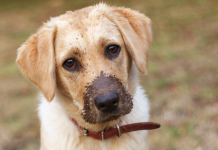
The Kennel Club has issued a warning to dog owners about the risks posed by grass seeds during the summer, after new data from Kennel Club Pet Insurance, provided by Agria, showed that July sees the highest number of claims related to these injuries. In the last year, 31% of all claims occurred in July, with 76% recorded between July and September.
Grass seeds can easily attach to a dog’s fur, especially in long grass or woodland, and burrow into the skin. Commonly affected areas include paws, ears, and noses. Breeds with hairy ears and paws are particularly at risk. Despite their small size, grass seeds can cause serious internal damage and discomfort.
One recent case involved Max, a Hungarian Vizsla from Gateshead, Tyne and Wear. His owner, Megan Hofmann, noticed something was wrong when he yelped during a walk. Later, Max stopped picking up his ball and would not open his mouth fully. A veterinary scan revealed that a grass seed had pierced the roof of his mouth and travelled upwards, lodging between his eye and a carotid artery.
“Grass seeds may seem harmless due to their natural origin and small size and who would have thought that they could cause such problems?”
Two surgeries were unsuccessful, and vets initially considered removing Max’s eye to reach the seed. Eventually, using ultrasound and a strong needle, they managed to extract it without eye removal. Max spent a week in hospital and underwent three surgeries, with total vet bills exceeding £7,000.
“You wouldn’t have thought something so small could actually have such a huge impact,” said Megan.
Max’s recovery was slow. He showed signs of trauma, refusing to open his mouth or play with his ball for some time. Megan is now warning other dog owners about the risks.
“A lot of people don’t know about grass seeds. They are everywhere, and he’s a dog who loves being outside and needs a lot of exercise, but we just try to avoid long grass in the summer to lessen the risk.”
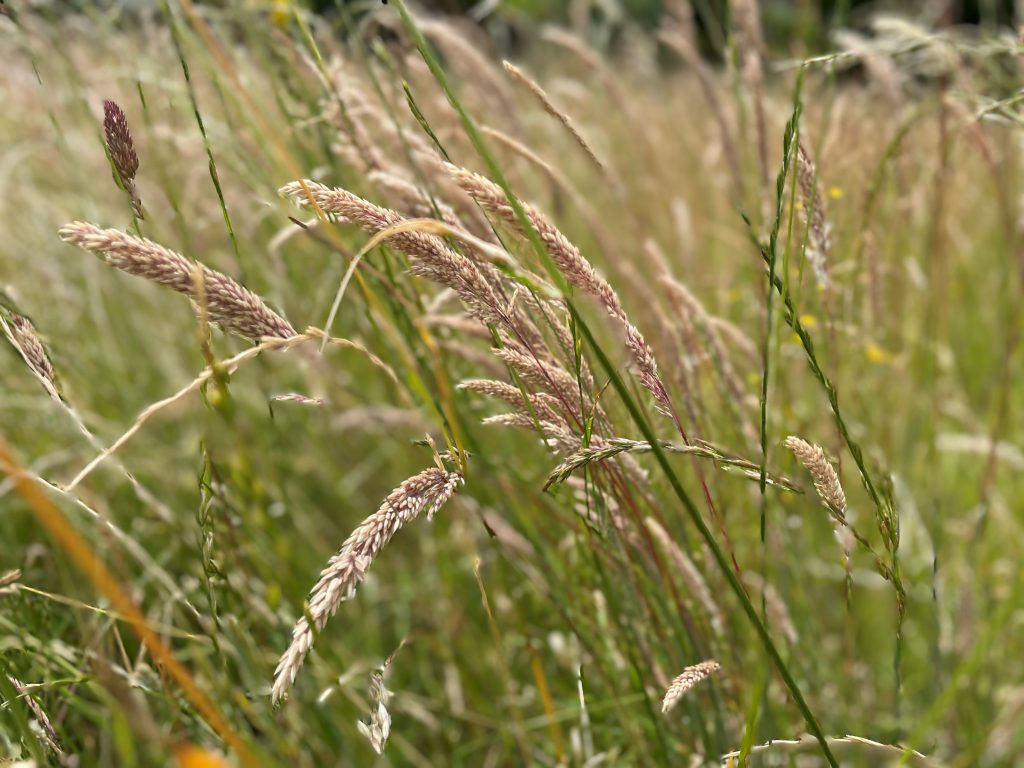
Lars Mortensen, Head Veterinarian at Agria App, commented, “Grass seeds may seem harmless due to their natural origin and small size and who would have thought that they could cause such problems?
“However, once attached to the coat, mouth or other parts of the body, they have the potential to penetrate into the deeper tissues and this can result in very severe discomfort and devastating consequences in some cases.”
Owners are advised to check their dogs carefully after walks, particularly in meadows and wooded areas, and to contact a vet immediately if they suspect a problem.