

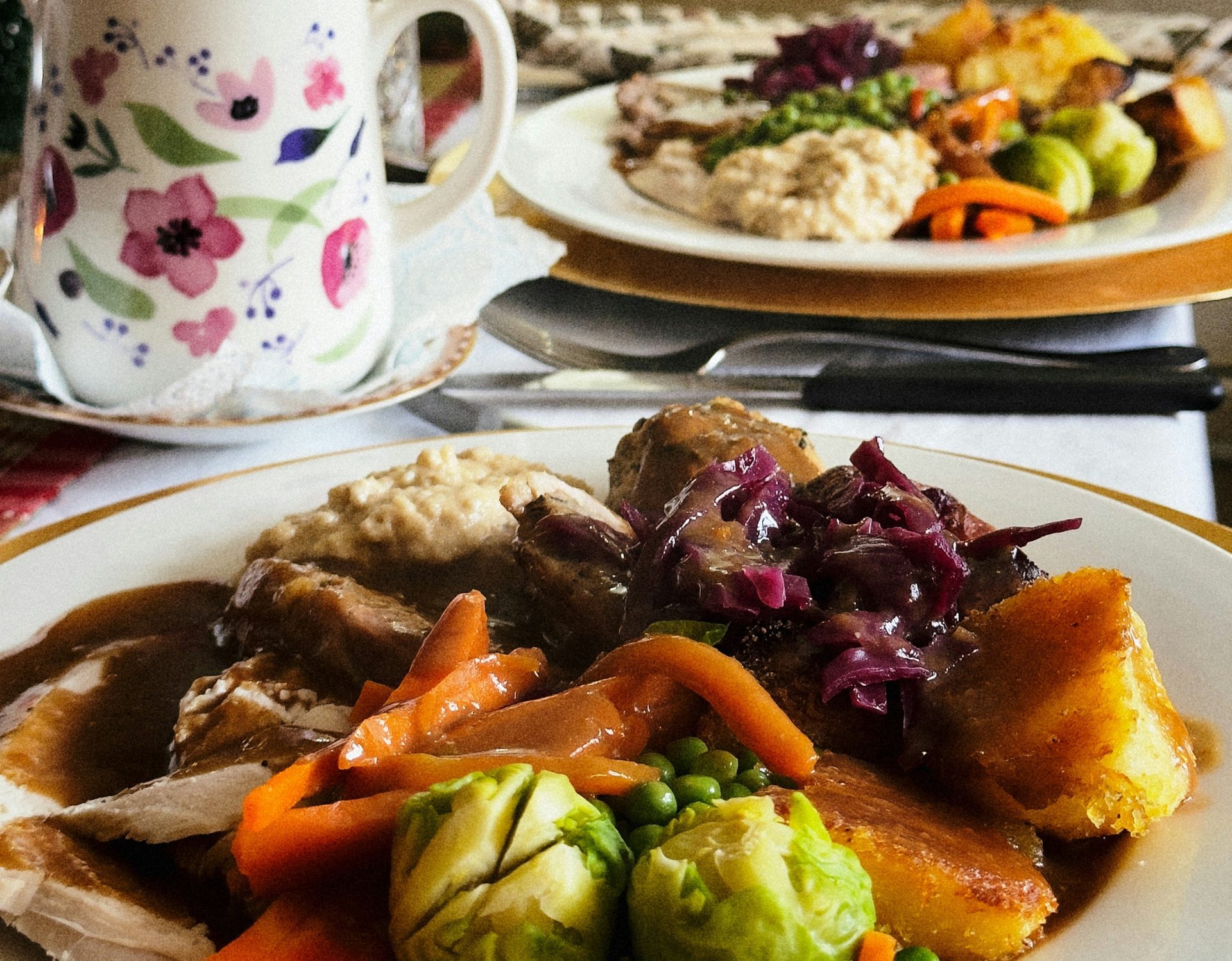
Christmas wouldn’t be Christmas without a plate full of festive vegetables – brussel sprouts and parsnips included! But are they safe to share with dogs? Leah Callaghan, vet nurse at Butternut Box, explains…
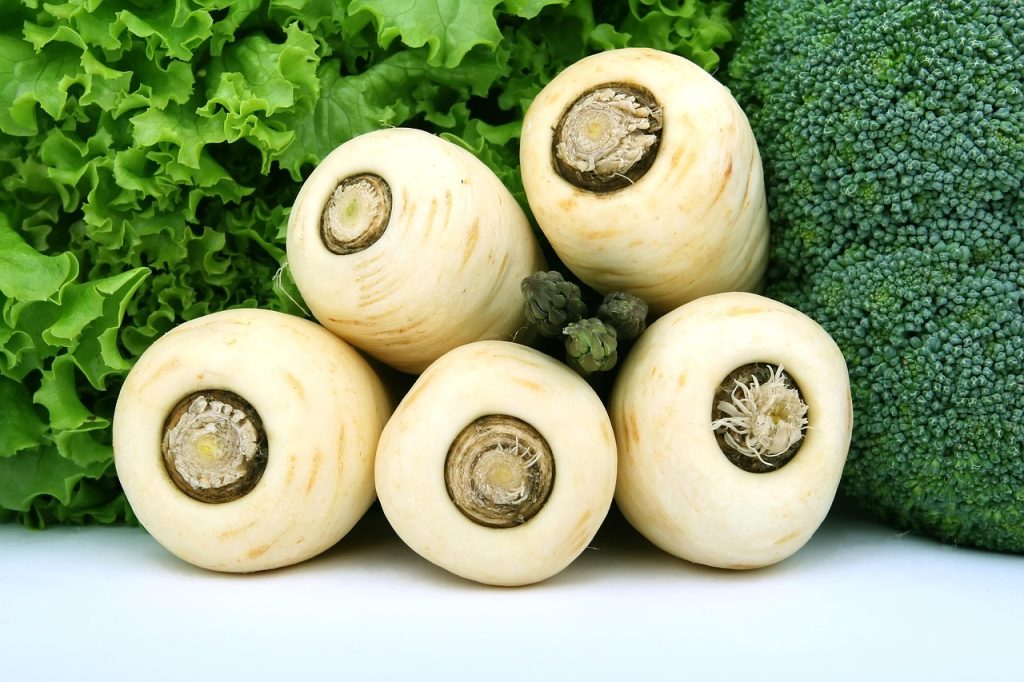
Parsnips are a classic part of Christmas dinner, and their soft texture and gentle sweetness often tempt dog owners to share a small taste. They’re one of the safer festive vegetables when served correctly, but like any new food, they need a bit of care. Parsnips carry natural starch and sugars, so portion size matters, and the way they’re cooked makes all the difference. Offered plainly and in small amounts, they can be a simple seasonal extra for many dogs.
Are parsnips safe for dogs?
Parsnips are usually safe for dogs, and many enjoy their mild, sweet flavour. They’re full of fibre and vitamins, which support general health, but they should always be given in small portions. Because they are root vegetables, they contain more starch than leafy greens, so large amounts may be heavy on a dog’s stomach. The safest option is plain, cooked parsnip without oil, honey, butter, or seasoning.
How to serve them properly
Cook the parsnips until they’re soft and cut them into small, manageable pieces, with your dog’s size in mind.. This makes them easier to digest and reduces the risk of choking. A few small chunks are more than enough for most dogs. Christmas versions that contain glaze or rich fat should be avoided because they are too rich and can unsettle a dog’s stomach.
What should owners look out for when offering parsnips for the first time?
When a dog tries parsnips for the first time, watch for signs of tummy upset. Soft stools, excess gas, or discomfort after eating are indicators that parsnips might not suit them. Dogs with a history of digestive sensitivity or dogs on restricted diets may react more strongly to starchy vegetables, so it’s always safer to start with a very small piece or puree a tiny amount for small dogs.
When in doubt, it’s always best to check with your vet, and if they give the green light, you can offer a small amount on rare occasions, but if there’s any change in behaviour or digestion, it’s better to avoid parsnips altogether.
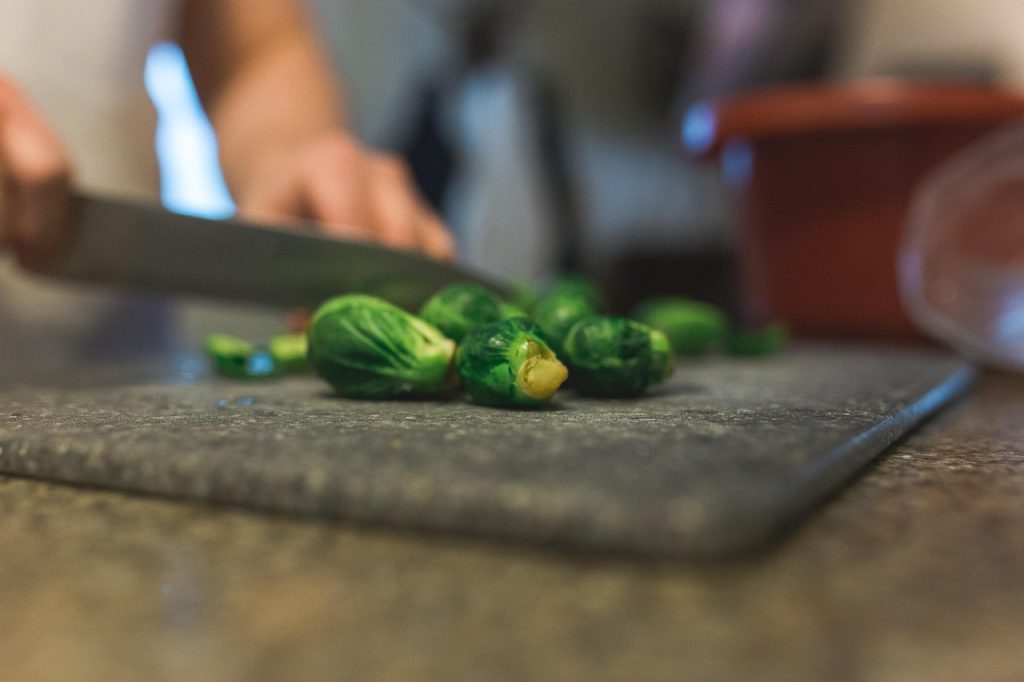
Brussels sprouts are a staple on many Christmas plates, and pet pals can enjoy them too in small, well-prepared portions. They are full of fibre, antioxidants, and vitamins that support overall health. Sprouts also contain compounds that help with digestion, although too much fibre at once may upset a dog’s stomach. It is always better to view sprouts as an occasional extra, not a big part of the meal.
Are sprouts suitable for all dogs, or should some avoid them?
Most dogs can have a small amount of plain, cooked sprouts without any problems, but some should avoid them. Dogs with sensitive stomachs, ongoing digestive issues, or a history of gas or bloating may struggle with the high fibre content.
The same applies to puppies and senior dogs who can react more strongly to rich or fibrous foods. If a dog is on a specific veterinary diet or has a condition that affects digestion, it is safer to skip sprouts entirely. When in doubt, it’s always best to check with your vet and if they give the green light, offer a tiny piece first and watch for changes in their stools or behaviour. If there is any sign of discomfort, it is better to leave sprouts off their plate.
Offering sprouts to dogs
Serve sprouts cooked, chopped, and cooled in very small portions as a treat. Raw sprouts can be tough on a dog’s stomach and much harder to digest, so we always recommend cooking them until soft. Never offer whole sprouts, as their size and round, slippery shape make them a choking risk. Sprout stalks should also be avoided. They’re fibrous, difficult to chew, and can cause blockages if swallowed.
Sprouts are high in fibre, which can sometimes lead to excessive gas or bloating. If you notice lots of doggy farts, this is a clear sign sprouts do not agree with your pooch, and you should stop feeding them!
This is a guest post by Leah Callaghan. Want to write for us? Visit www.dogstodaymagazine.co.uk/essay-submission or email editorial@dogstodaymagazine.co.uk.


