While a beach trip can be enjoyable for dogs and their families, experts warn that it also comes with a number of risks for pets. Animal Friends Pet Insurance has partnered with Dog First Aid Training Ltd to offer advice to help dog owners keep their pets safe.
Catrin George, animal wellbeing specialist at Animal Friends, said, “While beaches are a great place for a day out to give you and your dog a chance to get some fresh air, cool off and spend quality playtime with the family, the very things that make the beach so pleasant for us humans, including the sea, the sand and the sun, could prove harmful to your pooch.”
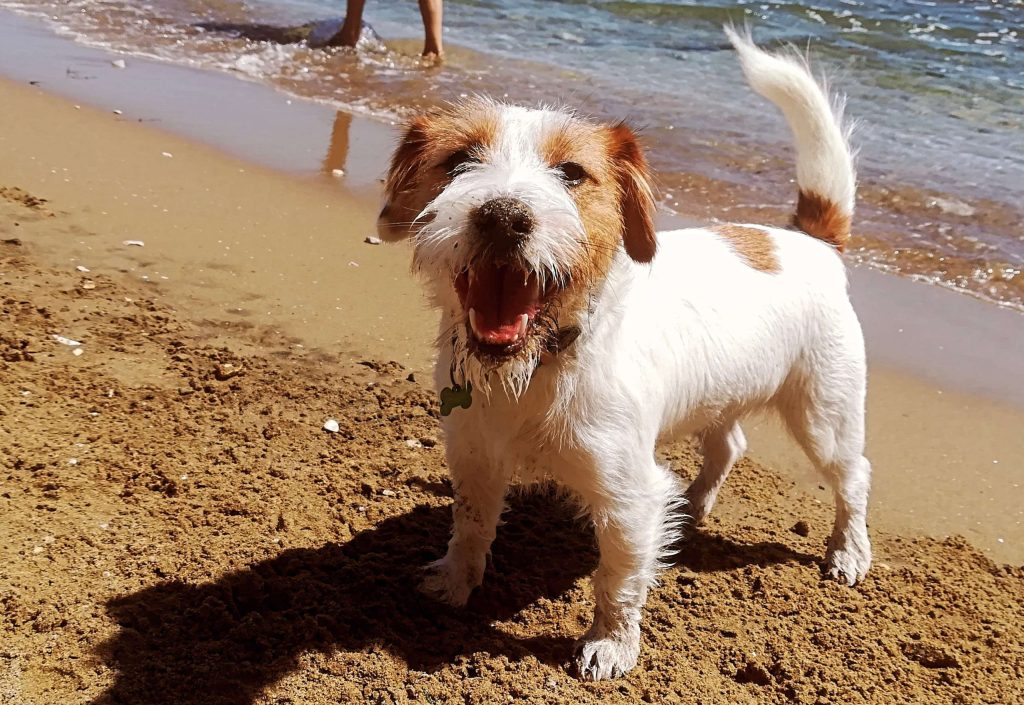
One common danger is dogs drinking seawater. George said, “As they try to keep themselves hydrated, your dog might be inclined to drink the seawater. This can have the opposite effect and cause your dog to fall ill from the salt, bacteria, and parasites in the water.” Owners are advised to always bring fresh water and prevent their dogs from drinking from rock pools or puddles.
Salt left on the coat after swimming can also irritate a dog’s skin. George advises rinsing dogs with fresh water after their time at the beach and cleaning their ears to avoid infection. Swimming itself can also be hazardous. “If this is your dog’s first time visiting the seaside, don’t assume your dog can swim,” she said. “If your dog is not used to swimming, the sea is not the place for them, particularly if they encounter a strong tide.”
Secondary drowning is another concern. “Secondary drowning happens when a dog has inhaled water into the lungs while swimming and can occur between one and 48 hours after a dog has been in the water,” George explained. Owners should watch for coughing, vomiting and lethargy and contact a vet immediately if they notice these signs.
Sand ingestion is a further risk, often caused by digging or playing fetch. “It can lodge in their intestines and become a potentially serious condition,” George warned. Symptoms include vomiting, restlessness, and loss of appetite.
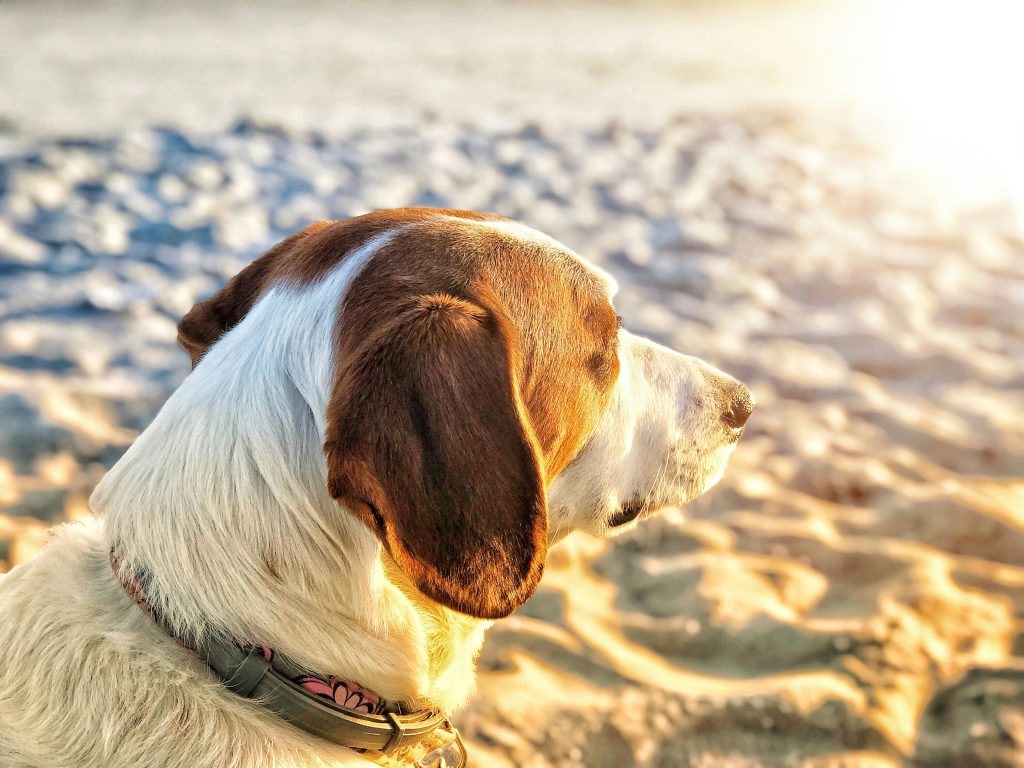
Heat-related risks are also highlighted. “Running on sand takes a lot more effort than running on grass, especially when temperatures are high,” George says. This can lead to overexertion and heatstroke. Dog owners are reminded to check the temperature of sand and pebbles, avoid peak heat hours (11am–3pm), and consider postponing walks on very hot days.
Dani Hickman, CEO of Dog First Aid Training Ltd, added, “The important thing to remember is that every dog is different and there is no set safe temperature for dogs. If your dog has a dark coat, is overweight, elderly, or flat faced they may struggle to regulate their body temperature. Any combination of these factors increases their risk of getting heatstroke.”
Hickman said early signs of heatstroke include non-stop panting and dark gums that are sticky or tacky when touched. “Ideally keep your dog at home and give them some mental stimulation instead of a walk on hot days,” she adds.
George also recommended dog-friendly sun cream, providing shade and water, and bringing a first aid kit. “Whilst a day at the beach is enjoyable, safety always has to come first,” she says. “Every year we hear stories of dogs dying in hot cars or overheating in the sun and becoming seriously ill as a result, and it’s heartbreaking.”