New research shows that the proportion of dog heatstroke cases caused by hot vehicles has nearly doubled since before the pandemic. Figures from the Royal Veterinary College’s (RVC) VetCompass programme reveal that between 2022 and 2023, 11.2% of heatstroke cases in dogs were triggered by exposure to hot vehicles, up from 6.3% between 2016 and 2018.
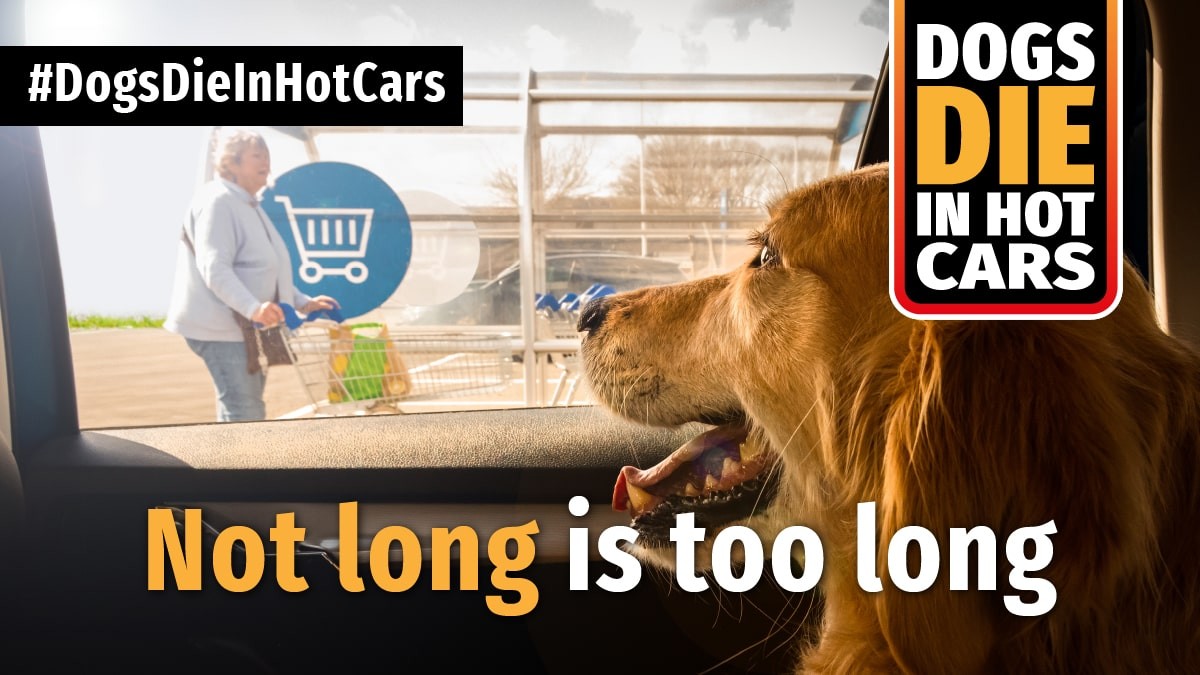
Animal welfare and veterinary organisations are warning dog owners of the heightened risk posed by cars, trains, ferries and caravans during warmer months. The coalition is urging the public to take extra care and to remember the long-standing warning that ‘dogs die in hot cars’. Anyone who sees a dog in a hot vehicle is advised to call 999 immediately.
Emily Hall, lecturer and lead canine heatstroke researcher at the RVC, said, “This rise in heatstroke cases vets are seeing due to dogs being in hot vehicles is hugely concerning. Being left in warm vehicles can be a death trap for dogs. The longer we allow our dogs to remain hot, the more damage occurs, and increasing the risk of heatstroke fatalities. So owners really must prioritise planning ahead when making journeys with animals and ensure their pets are kept as cool and comfortable as possible.
“Sadly, our research shows that many dogs die in hot cars and on hot walks each year, so owners must avoid known triggers to heat-related illness – especially during heatwaves. The message is simple: if in doubt, don’t go out. And despite this, if there is any concern that a dog has developed heatstroke, our advice is to: cool first, using available water, then transport to veterinary care: wet, then vet.”
“Even at lower temperatures, pets are still at risk, which some owners may not realise”
Polling by the RSPCA suggests that only 58% of people in the UK would avoid leaving their dog in a car on a warm day, indicating that nearly half the public may still underestimate the risk.
Lauren Bennett, dog welfare expert at the RSPCA, said, “Temperatures are rising this week and we all want everyone’s pets to be as safe and comfortable as possible. We’re encouraging owners to do some ‘pet homework’ now ahead of the warmer weather – and do as much as they can in the heat to keep their animals safe.”
She also warned that police have reported an increase in call-outs to dogs left in vehicles. The RSPCA is now running ‘Cool Dog Summer’ workshops online to help educate owners on preventing heatstroke and keeping pets safe.

Bennett added, “Pet owners can all do their bit to be prepared and spread the word. As the summer nears ever closer, there’s plenty that people can be doing now, from getting into the habit of checking the temperature forecasts every day to knowing the best way to cool down their dog after a walk; or planning how they will change their daily routine during hot spells, and knowing how to act in the event of heatstroke.”
Certain dogs are more vulnerable to heat-related illness, including older dogs, large or overweight dogs, double-coated breeds, and flat-faced breeds like pugs and French bulldogs.
“Even at lower temperatures, pets are still at risk, which some owners may not realise,” Bennett said. “We’re also highlighting that no matter your dog’s breed or how much they appear to enjoy basking in the sunshine, all animals are at risk. Taking the time now to identify how you can reduce your dog’s risk, could just save their life.”
RSPCA advice:
Signs of mild heat-related illness in dogs:
• Excessive panting that doesn’t stop when the dog rests.
• Unusual tiredness – becoming tired sooner than normal.
• Changes in behaviour – lying down more frequently and stumbling.
• Less keen to play.Progressing to more severe illness (heatstroke) if untreated:
• Difficulty breathing, especially if there is unusual noise or any blue/grey tinge to gums or tongue.
• Diarrhoea and/or vomiting.
• Seizures.
• Bleeding under the skin.
• Collapsed and unresponsive.What should I do if I spot these signs?
• If exercising, stop them immediately.
• Move them somewhere cool, ideally into the shade.
• Give them water to drink (but don’t force them).
• Wet the dog thoroughly (avoiding the head) by pouring water over them, and ensure air movement (use a fan or air conditioning). Water of any temperature cooler than the dog will be effective.
• Call your vet for advice immediately if you are concerned. Cool first, transport later.