A man from Coventry has been banned from keeping animals for ten years after neglecting his two dogs, whose bones were visible when they were rescued by the RSPCA.
Mark Lonsdale pleaded guilty to two animal welfare offences at Coventry Magistrates’ Court on 27 August. The prosecution followed an investigation by the RSPCA after concerns were raised about the welfare of his dogs, Zeus and Storm.
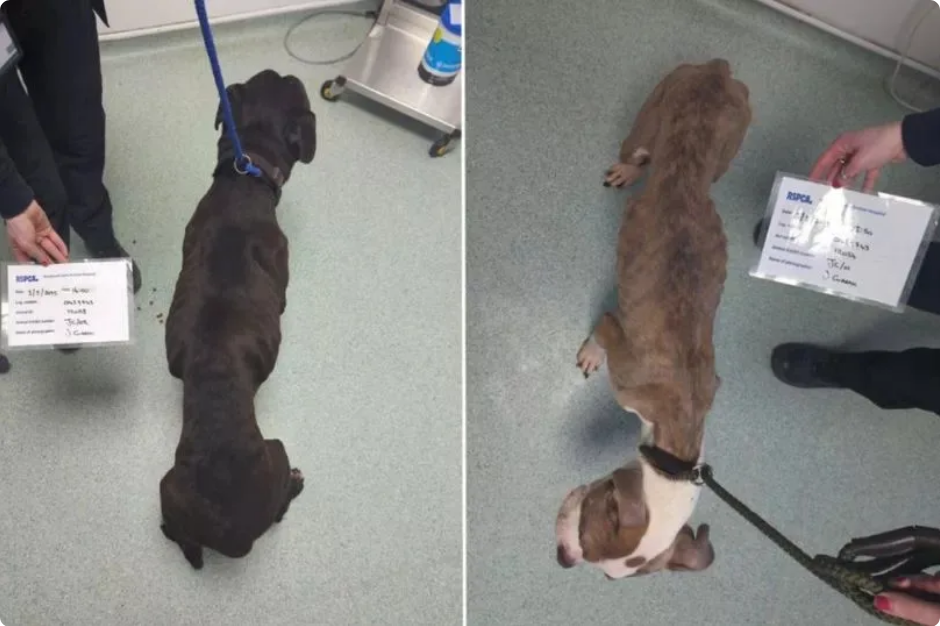
RSPCA Animal Rescue Officer Jack Curran attended the property and found Storm with visible hip and rib bones, a snotty nose, runny eyes, and overgrown nails. With the assistance of West Midlands Police, he was also shown Zeus, who was similarly underweight with his rib and hip bones visible, along with very overgrown nails. Lonsdale admitted that neither dog was under veterinary care and agreed to hand them over for assessment.
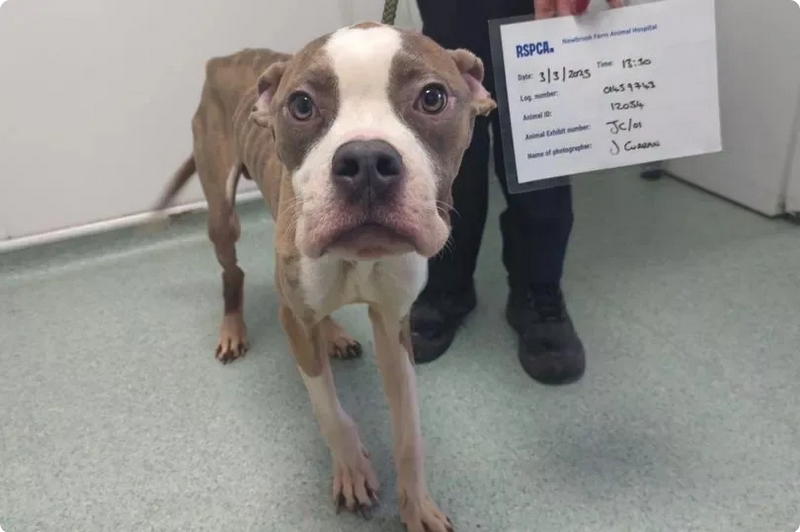
A vet who examined the animals reported that Zeus was suffering from severe malnourishment, with a body condition score of 1/9. He was estimated to have lost around 20% of his body weight, not due to any underlying medical condition. He also had overgrown nails, suggesting lack of exercise or regular trimming, and mild anaemia likely linked to nutrient deficiencies.
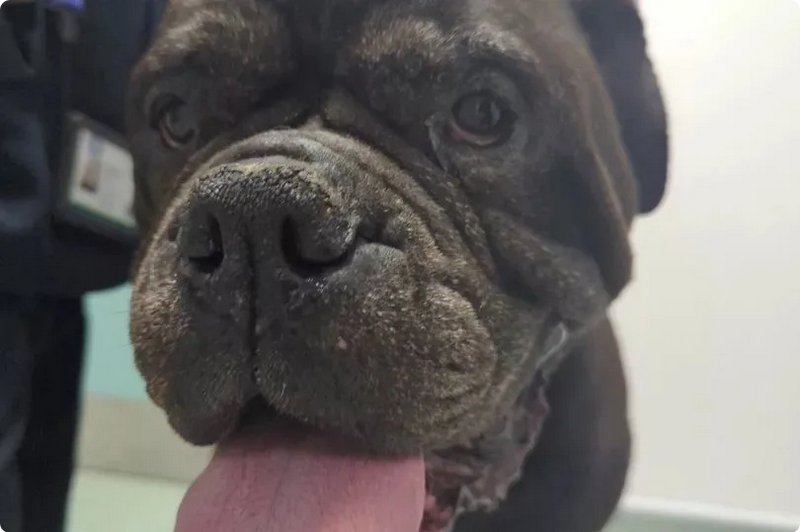
Storm was given a body condition score of 2/9 and was found to be underweight. She also suffered from painful joints caused by osteoarthritis and from repeated corneal damage linked to eyelid deformities, which left her eyes sore and uncomfortable.
The report concluded that both Zeus and Storm experienced unnecessary suffering as a result of inadequate nutrition and, in Storm’s case, untreated medical conditions. Both dogs were later put top sleep.
Alongside the ten-year ban, which cannot be appealed for five years, Lonsdale was sentenced to an eight-week prison term suspended for 12 months, and ordered to pay a £154 victim surcharge.
RSPCA Inspector Ben Jones said after the hearing, “Animals are completely reliant on their owners to ensure their needs are met and they are kept safe and healthy. Owning an animal is a privilege – and ensuring appropriate diet and care is a key part of the responsibility we have towards them.”