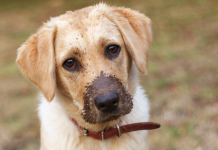
As warmer weather settles across the UK, PDSA is urging dog owners to protect their pets from the sun, warning that sunburn can cause serious harm.
According to PDSA Vet Nurse Nina Downing, many owners are unaware that dogs, like people, are at risk of sunburn—especially those with light-coloured fur or bald patches.
“It’s not so widely known, but sunburn not only affects people, it affects our pets too,” said Downing. “Pets are especially at risk if they have light-coloured fur (white or ginger), or any thin or bald patches, where their skin is more exposed.”
Owners are advised to apply two layers of suncream to areas of thin or exposed skin
Common areas where dogs suffer sunburn include the ears, nose, eyelids and belly. Symptoms can include redness, crusting, flaking, itching, blisters and pain. Downing emphasised that sunburn can lead to skin cancer, even if a pet does not show visible signs of burning. She recommended applying a pet-safe SPF30 or higher, waterproof suncream to exposed areas at least 15 minutes before going outside.
“Choose a sun cream that is pet safe SPF30 or higher, and waterproof – there are options designed for cats, dogs and even horses,” said Downing. “We’d always recommend owners pick a pet-safe sun cream, as those designed for humans could be licked off, and may not contain pet-friendly ingredients.”
Owners are advised to apply two layers of suncream to areas of thin or exposed skin, particularly where fur has been shaved due to recent surgery. During hot weather, walking should be limited to early mornings or evenings, when temperatures are lower. Dogs should also have constant access to fresh water and shaded areas.

Downing noted that pets should not be left sunbathing for long periods. Providing shaded spots in the garden—such as under trees or with blankets over runs—is advised. Checking the “feels like” temperature before letting dogs outside is also recommended.
Mild sunburn may heal within a few days and can be treated with a cold compress while keeping the pet out of direct sunlight. However, owners are advised to contact their vet for guidance, especially if they suspect a more serious case.
“If in doubt, don’t leave it, and contact your vet for advice,” said Downing.