

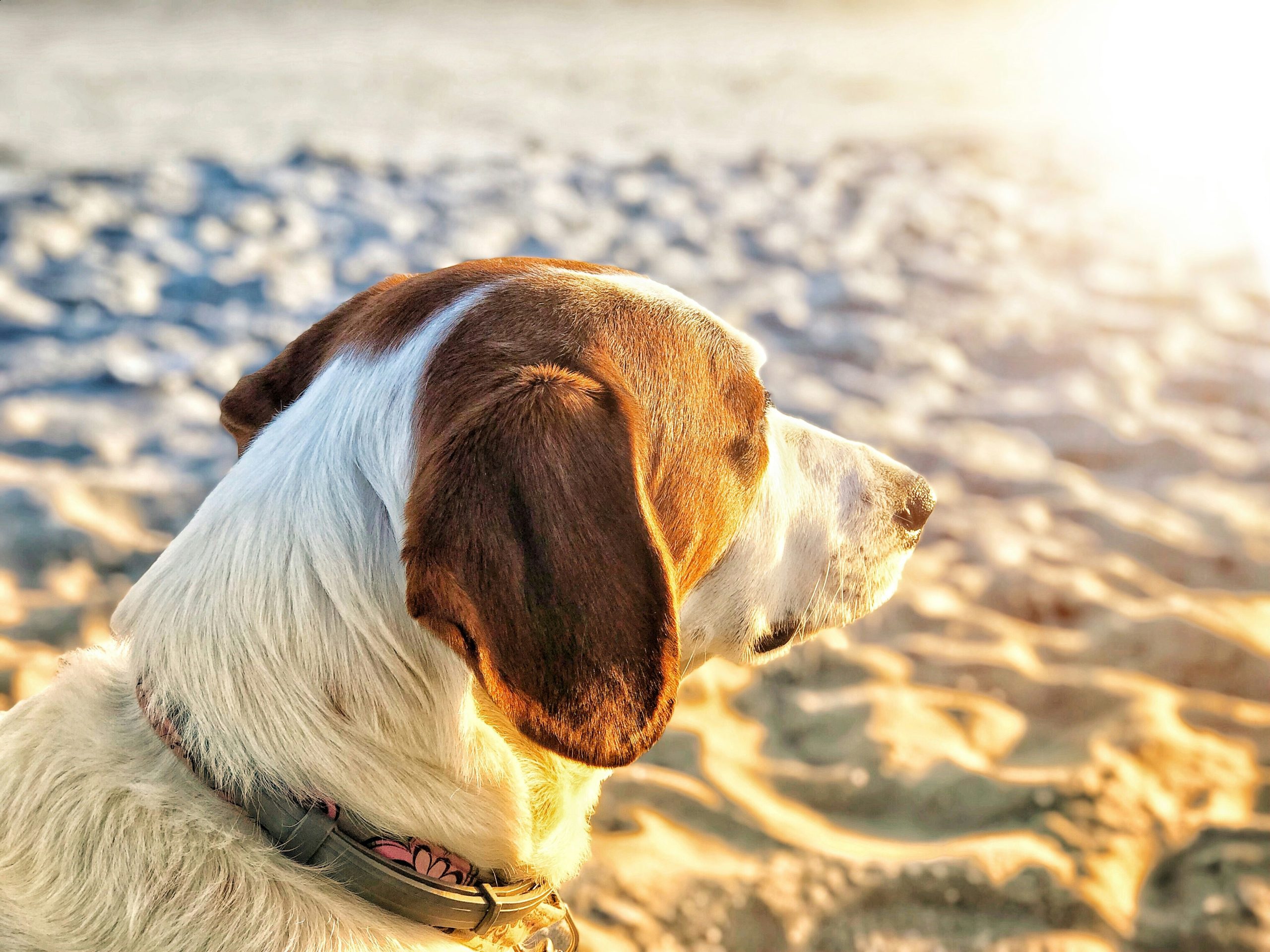
Dr Anna Foreman, in-house Vet at Everypaw Pet Insurance, shares her advice to ensure your dog’s trip to the beach is both fun and safe…
Why do dogs love going to the beach?
With wide open spaces and water, it provides a great environment for a run around and swim. Unlike steep sloped lakes and rivers, the sea offers a gently sloped introduction to the water for dogs, allowing them to either splash their feet or go for a deeper paddle. This is great for older or less-abled dogs who are not athletic enough to jump in and out of the water. Equally, sandy beaches provide a perfect soft surface for gently exercising arthritic dogs – better for their joints than hard pavements.
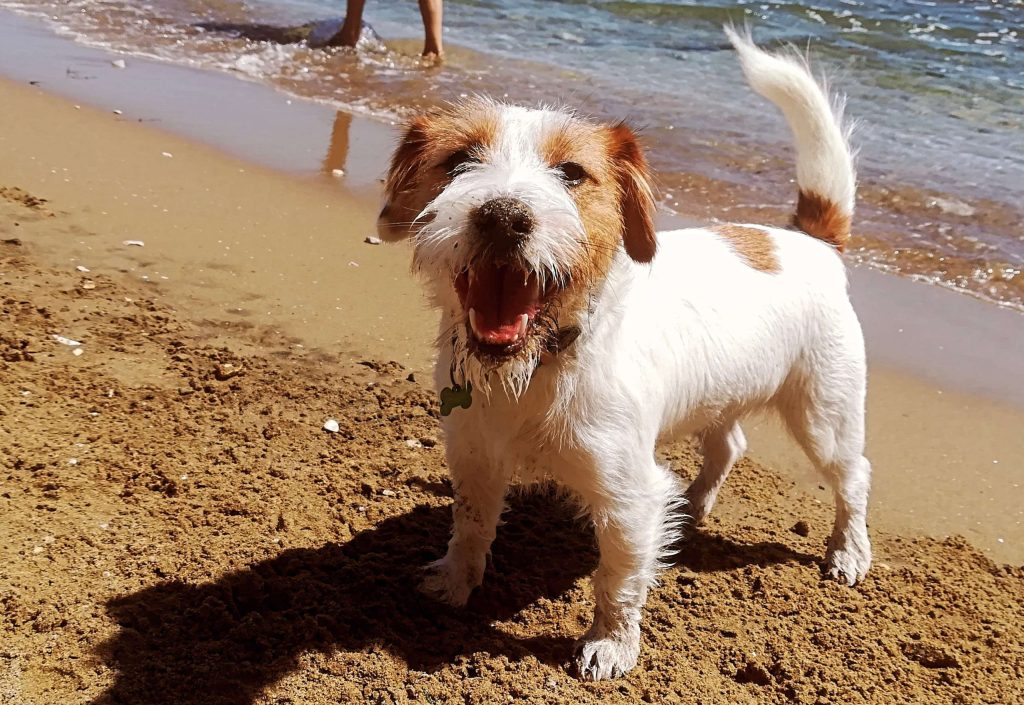
Common mistakes people make when taking their dogs to the beach
- Taking a dog to a beach that is not dog friendly – Many beaches, particularly in the summer months, have restrictions that mean dogs are not allowed on them during certain hours. Some beaches are closed to dogs all year round or for a number of months of the year.
- Not picking up dog poo – Although some beaches may not have many inhabitants, dog poo should always be picked up. There is the risk of water contamination, not only with parasites and bacteria, but also remnants of medications that can pollute the ocean. Spot on parasite treatments can also pollute the water when a dog goes swimming, and being washed off makes them less effective.
- Taking dogs to a crowded beach – Although most popular beaches are closed to dogs, some very busy ones do allow dogs onto them. This can be an issue if a dog is anxious of strangers or other dogs, as beaches are lively environments. With children and dogs running around, owners should be wary if they have a reactive or fearful dog.
- Walking dogs on beaches in hot weather – Heatstroke is very common, particularly as beaches do not have a huge amount of shade.
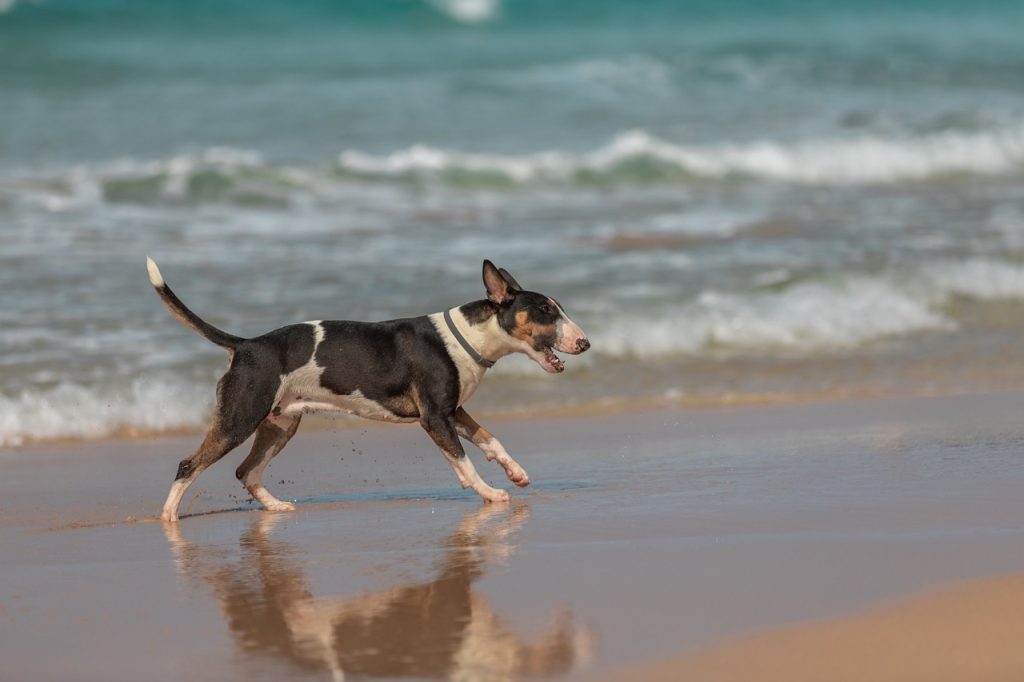
What potential hazards do dog owners need to be aware of?
- Drinking sea water – The high salt levels can lead to a gastrointestinal upset, or even salt toxicity (neurological signs) if consumed in high enough levels.
- Eating sand – A dog is at risk of an impaction if they eat sand, which usually requires veterinary intervention, most seriously surgery, to resolve.
- Quicksand – Some beaches have quicksand on them which is a massive hazard to both humans and dogs if stepped on. Quicksand is often indistinguishable to normal sand.
- Drowning – As with any water source, and especially with oceanic tides/currents, there is the risk of a dog drowning in the water, especially if caught in a rip tide or if a dog is not a strong swimmer.
- Hot sand – Much like with pavements, sand can heat up in the sun and be very hot on a dog’s paws, leading to burns.

Top tips for keeping dogs safe at the beach
- Keep a close eye on your dog – Just because it is a wide-open space, does not mean that dogs should be allowed to roam unattended. The risk of drowning, quicksand, or falling off rocks means beaches can still be dangerous. If dogs are prone to eating things they shouldn’t, they should be kept on the lead or wear a wide ended muzzle which allows them to pant to cool off.
- Walk early in the morning or later in the afternoon – Hot temperatures can lead to burned paws if the sand or stones are hot, and can be fatal to dogs if they develop heatstroke.
- Research the beach before attending – Make sure a beach is dog friendly before visiting.
- Wash dogs off when exiting a beach – Do not let them lick sand or seawater off themselves as both can be dangerous if ingested.
This is a guest post by Dr. Anna Foreman. Want to write for us? Visit www.dogstodaymagazine.co.uk/essay-submission or email editorial@dogstodaymagazine.co.uk


