


Dr Aimee Warner, resident veterinarian at Waggel, explains…
Sunburn is the silent risk happening even when dogs are just relaxing in the garden. Unlike burnt paws, which are immediately obvious, sunburn develops gradually and owners often mistake the early signs for allergies or other skin conditions.
Certain dogs are more at risk:
- Light-coloured or white dogs: Less natural protection from melanin
- Thin-coated breeds: Whippets, Greyhounds, Chinese Crested dogs
- Dogs with exposed skin: Pink noses, ear tips, belly areas
- Recently groomed dogs: Clipped fur exposes previously protected skin
- Dogs with existing skin conditions: Already compromised skin barriers
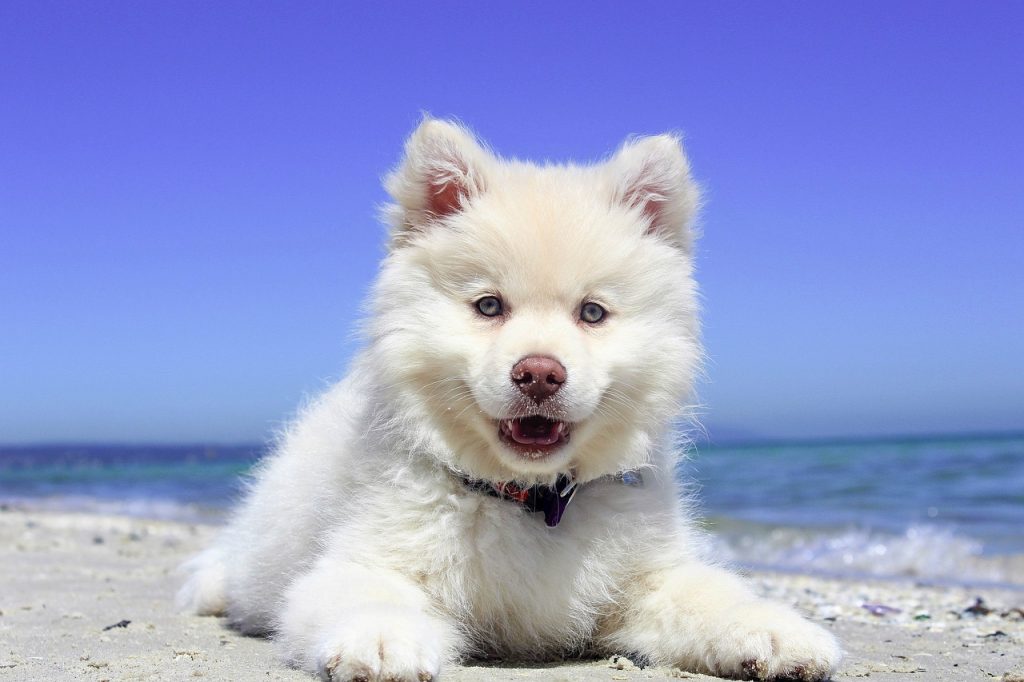
Sunburn hotspots on dogs to keep in mind:
- Nose bridges – Most common area, especially on light-coloured noses
- Ear tips – Thin skin with minimal fur protection
- Belly – When dogs lie on their backs in sunny spots
- Groin area – Sparse fur coverage makes this vulnerable
- Eyelids – Often overlooked but highly susceptible
Sun protection tips for dogs:
- Choose dog-safe sunscreen: Always opt for zinc-free, pet-specific products to protect vulnerable areas like the nose, ears, and belly. Human sunscreen can be harmful to dogs, so make sure you’re using something designed just for them.
- Seek shade during peak hours: The sun’s rays are strongest between 11am and 3pm. Try to keep your dog in the shade during these hours to minimise sun exposure and reduce the risk of sunburn.
- Dress your dog in UV-protective clothing: If your dog has a thin coat, consider using lightweight, UV-protective shirts. These are great for keeping your dog cool while protecting their skin from harmful rays.
- Limit sun exposure: Even if your dog loves basking in the sun, remember that they need regular breaks in the shade. Keep an eye on how long they’re exposed to direct sunlight, and encourage them to cool off in the shade when necessary.
- Check for redness daily: Examine your dog’s skin for any signs of redness or irritation, especially after being outside. The earlier you spot sunburn, the easier it is to prevent more severe damage from developing.
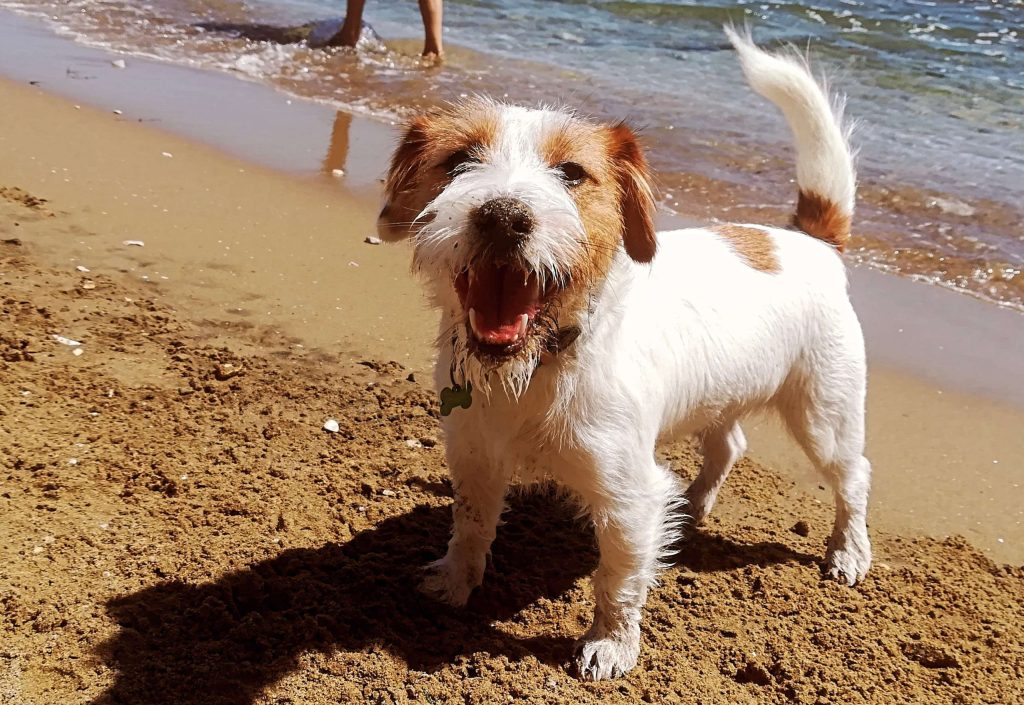
The signs are similar to human sunburn—red, hot, tender skin that may peel or blister. But unlike humans, dogs can’t tell us they’re burning until the damage is done. Prevention is everything.
What to watch for:
- Red, inflamed skin (especially on nose, ears, belly)
- Skin that feels hot to the touch
- Hair loss in sun-exposed areas
- Scaly or peeling skin
- Excessive scratching at affected areas
Just like you wouldn’t spend hours in 33°C heat without sun protection, your dog shouldn’t either. A little prevention now saves a lot of pain later!
This is a guest post by Aimee Warner. Want to write for us? Visit www.dogstodaymagazine.co.uk/essay-submission or email editorial@dogstodaymagazine.co.uk.


