

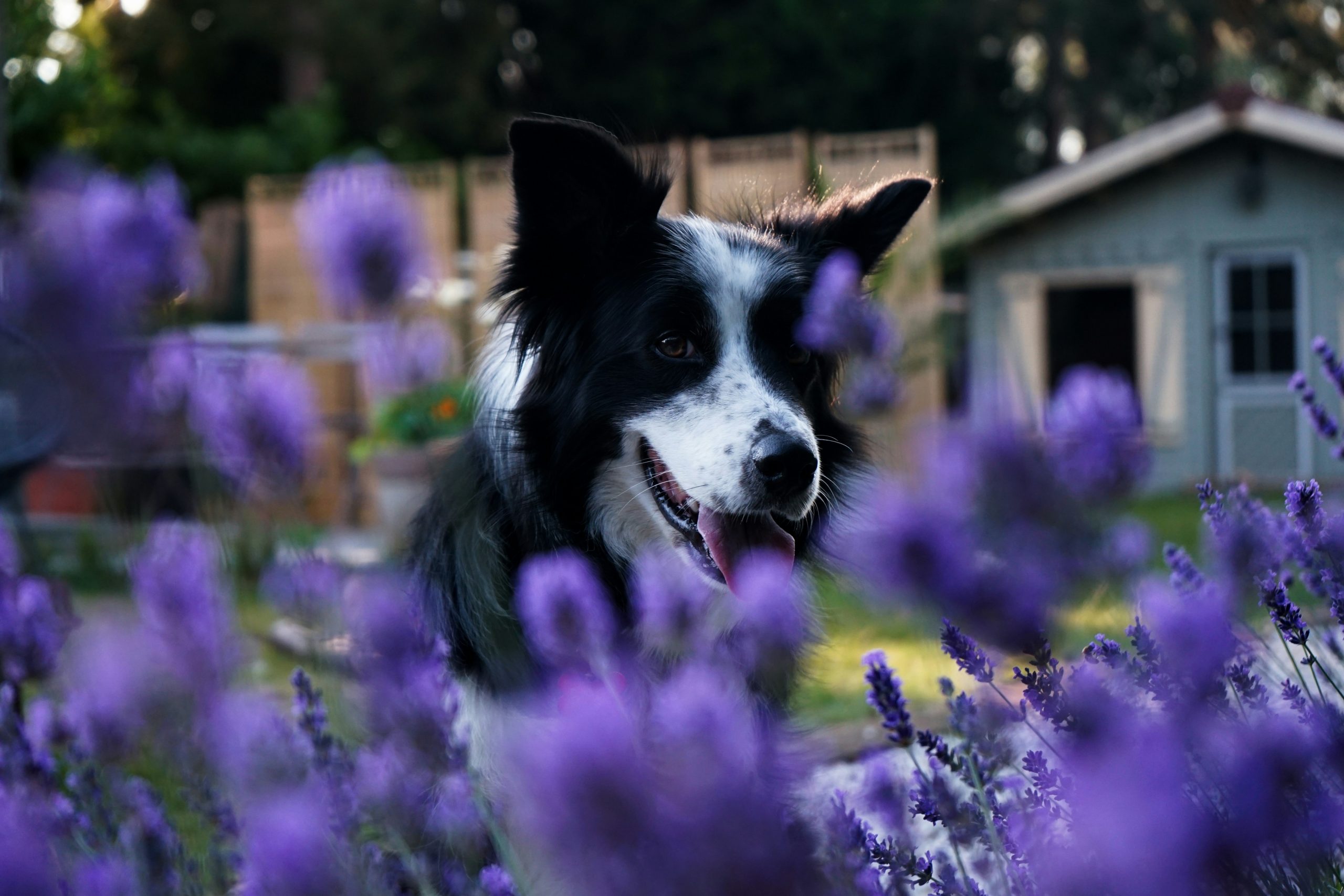
The Royal Horticultural Society (RHS) and Battersea have unveiled their five top tips to turn your garden into the ultimate dog-friendly oasis. From engaging scents for curious noses to cooling water for hot paws, RHS chief horticulturalist Guy Barter and Battersea Lead Horticulturist Dawn Grehan dig into gardening ideas to get your pooch’s tail wagging.
- Incorporate areas to engage your dog’s senses
A sensory area of the garden is an ideal way to stimulate dogs’ senses while helping to keep them mentally stimulated and decrease boredom. Dogs love to explore by using their noses and there are many dog-friendly herbaceous plants and shrubs that can be planted for them to investigate such as rosemary, basil, thyme and lemon balm.To keep dogs busy while tending to the garden, owners can set up brain games by hiding some of their pet’s favourite treats or toys around these plants. Offering different surfaces to stimulate dogs’ paws can also engage senses, such as grass, play-grade bark chip and garden paving for pets to follow their owners around the garden.
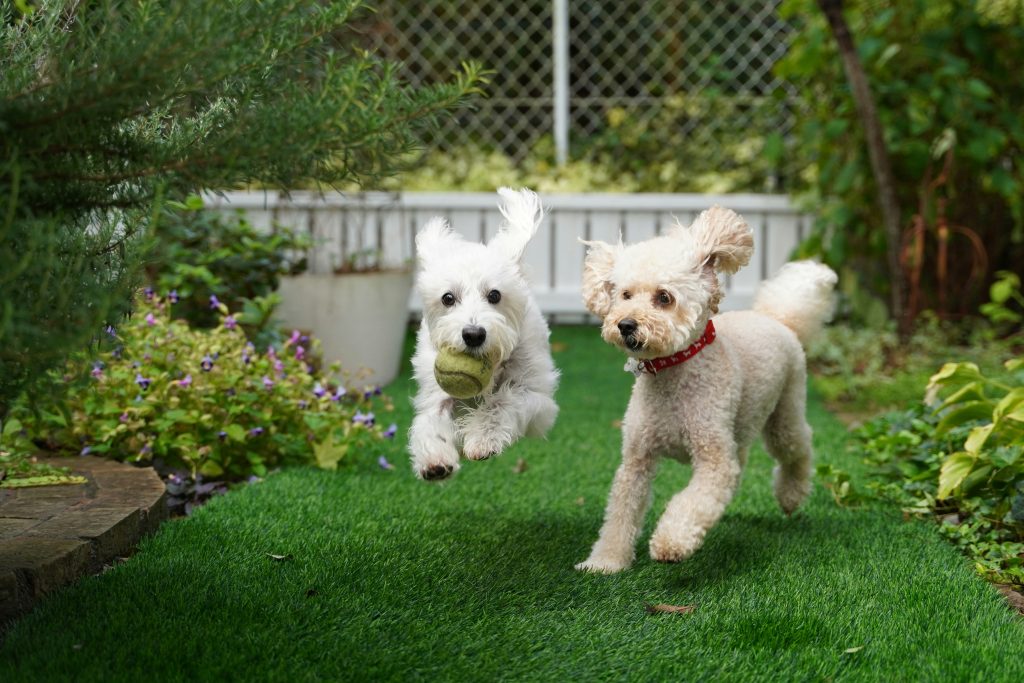
- Make use of robust plants that can withstand playtime
Dogs love to run around and play in the garden, so it’s a good idea to have a range of plants that can endure a dog’s day-to-day use and bursts of energy. Robust plants such as sedges, shorter grasses to run through, catmint and lavender are all good options. - Make your garden pleasing to your dog’s eye, too
As humans, we enjoy having a beautiful garden with plenty of things to look at, and you can also make it pleasing to the eyes of your pets by offering them some visual stimulation in their outdoor sanctuary. Dogs mainly see in blue and yellow, so to help them enjoy the garden just as much as us humans, you can look to plant yellow and blue dog-friendly plants such as cornflowers, pansies, asters and sunflowers. Pansies also grow all year round, allowing for a permanent feature in the garden for owners and their pets to enjoy. - Incorporate plenty of shaded areas for warmer months
As the weather gets warmer, it’s important to offer your pet plenty of shaded areas to keep cool and relax. You can make use of larger trees which are dog-friendly such as field maple and hawthorns, or larger shrubs such as camellias and deutzias, which will add a beautiful pop of colour to your outdoor space. When spending time in the garden with your dog in hotter weather, be sure to offer them plenty of water stations to keep hydrated.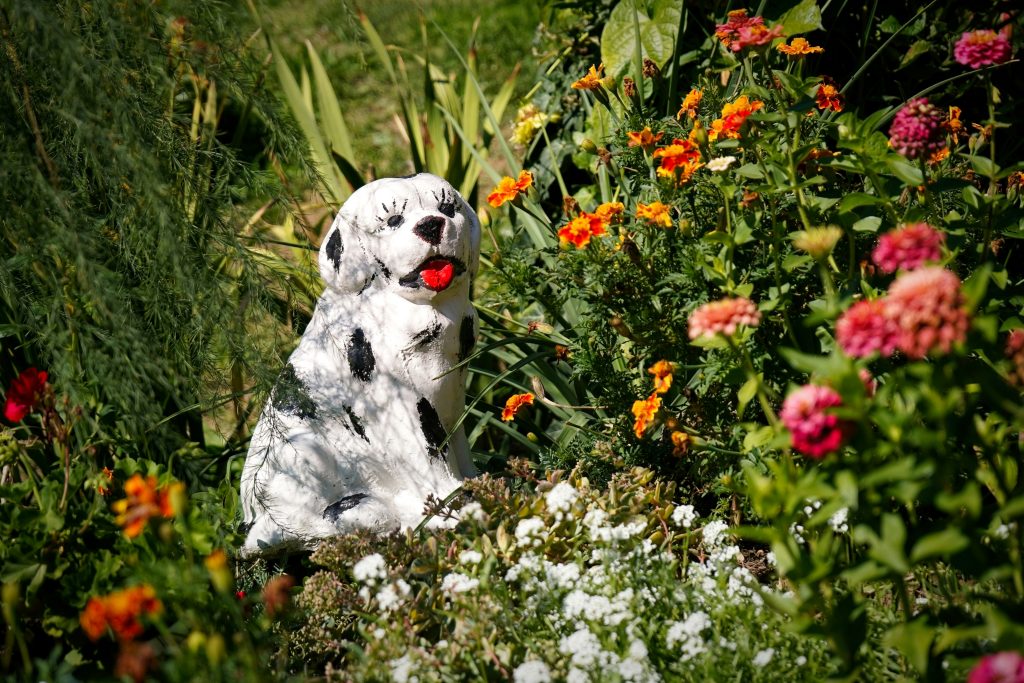
- Fence off anything that could be toxic to dogs
There are a number of plants that can be toxic to dogs which owners should be mindful of, such as alliums including onions, garlic and leeks, foxgloves and rhododendron/azaleas. If you have any plants in your garden that are toxic to dogs, ensure to enclose these off with a secure fence that your dog cannot get through, under or over.
All toxic plants can present different symptoms in dogs, from an upset tummy to vomiting and even heart problems. Any plant can cause side-effects when ingested and some animals may be more sensitive to plants that are commonly considered safe. Be sure to be vigilant when your pet is out in nature and if you are at all worried about your pet’s health, consult your vet immediately. More information on toxic plants to dogs can be found on the Battersea website or the HTA website.
This is a guest post by Battersea Dogs & Cats Home and The Royal Horticultural Society (RHS). Want to write for us? Visit www.dogstodaymagazine.co.uk/essay-submission or email editorial@dogstodaymagazine.co.uk.


