

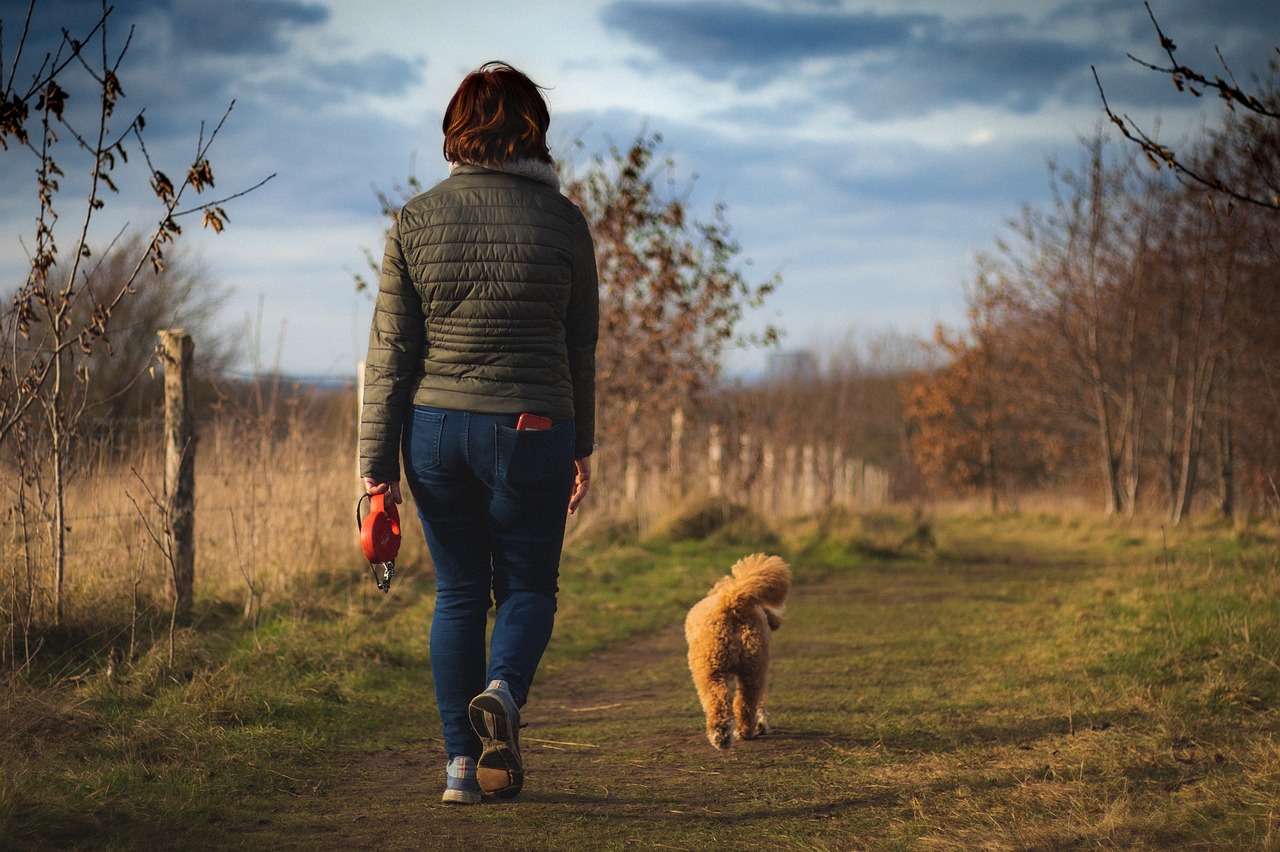
Richard Green, wildlife expert and head of production at leading pet food supplier Kennedy Wild Bird Food & Pet Supplies warns all dog walkers about how they risk hefty fines up to £1,000 over the next five months if they fail to keep their dogs on leads during the critical nesting season.
Fines and legalities
During the nesting season, typically from 1st March to 31st July, it’s important to keep your dog on a lead to protect vulnerable wildlife, especially ground-nesting birds. Local councils can enforce regulations such as Public Spaces Protection Orders, and fines for not following these rules can reach up to £1,000 if taken to court.
To protect these birds, it’s a legal requirement to keep dogs on leads no longer than two metres on open access land. Failing to control your dog in designated areas during this period can also lead to fixed penalty notices of £100.
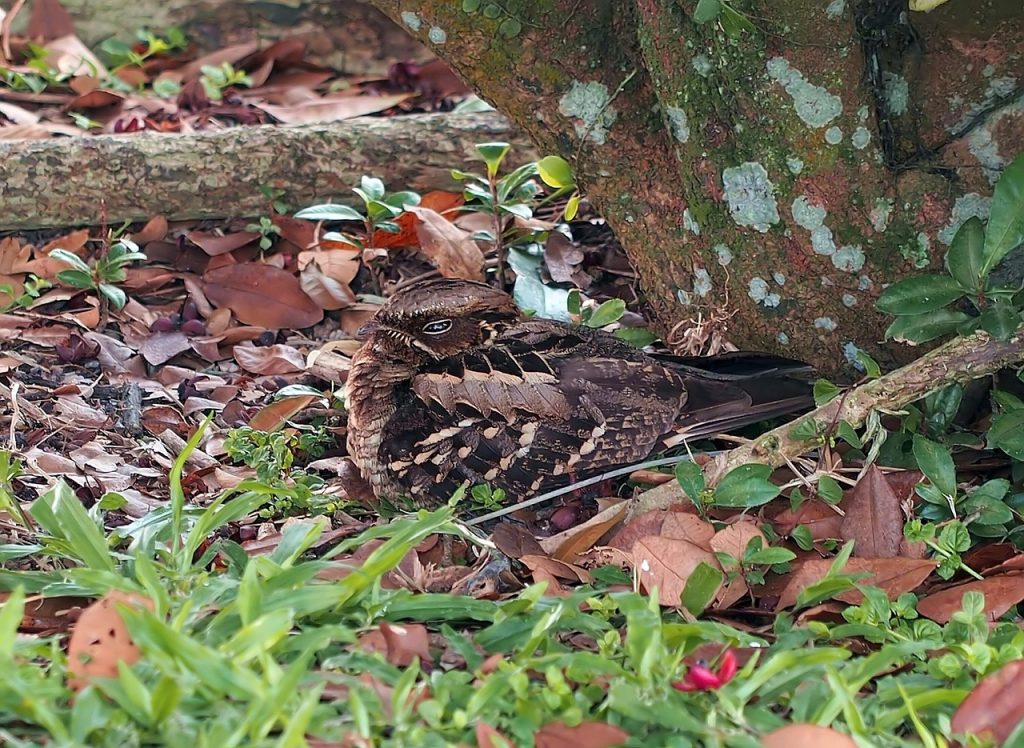
Many ground-nesting birds, like nightjars, willow warblers, and meadow pipits, rely on undisturbed habitats during the breeding season
Impact of dogs off lead
Dog owners often don’t realise the wider impacts of their pets, just the presence of a dog off lead can scare wildlife and livestock. Even a quick chase or scare can make them abandon their nests, leaving eggs or chicks to die. This is especially worrying in spring when many birds travel long distances to nest here.
Even the best-behaved dogs can accidentally disturb wildlife if they’re off the lead. Birds see dogs as predators, and just one encounter can stop them from breeding or cause their numbers to drop. Using a short lead and keeping to paths can make a big difference to keeping wildlife safe.
Letting dogs swim in ponds, rivers, or other water areas will not only upset the wildlife living there but can also contaminate the water itself from chemicals for flea treatments on dogs.
Birds vulnerable
Many ground-nesting birds, like nightjars, willow warblers, and meadow pipits, rely on undisturbed habitats during the breeding season. Familiar garden birds, such as dunnocks and blackbirds, can also nest close to the ground, making them vulnerable to unintentional damage from dogs off leads.
On beaches, species like oystercatchers and little terns camouflage their eggs among pebbles, where they are easy to disturb.
How to protect wildlife
It’s worth checking ahead when visiting nature reserves, as some areas may restrict access to protect rare or fragile species. By sticking to designated paths and following rules, dog walkers can help protect precious wildlife while still enjoying quality time with their pets.
Shorter walks with lots of sniffing opportunities can be just as stimulating for dogs as running off-lead. Responsible dog walking not only supports wildlife conservation but also ensures pets remain safe and healthy.
This is a guest post by Richard Green. Want to write for us? Visit www.dogstodaymagazine.co.uk/essay-submission or email editorial@dogstodaymagazine.co.uk.


