

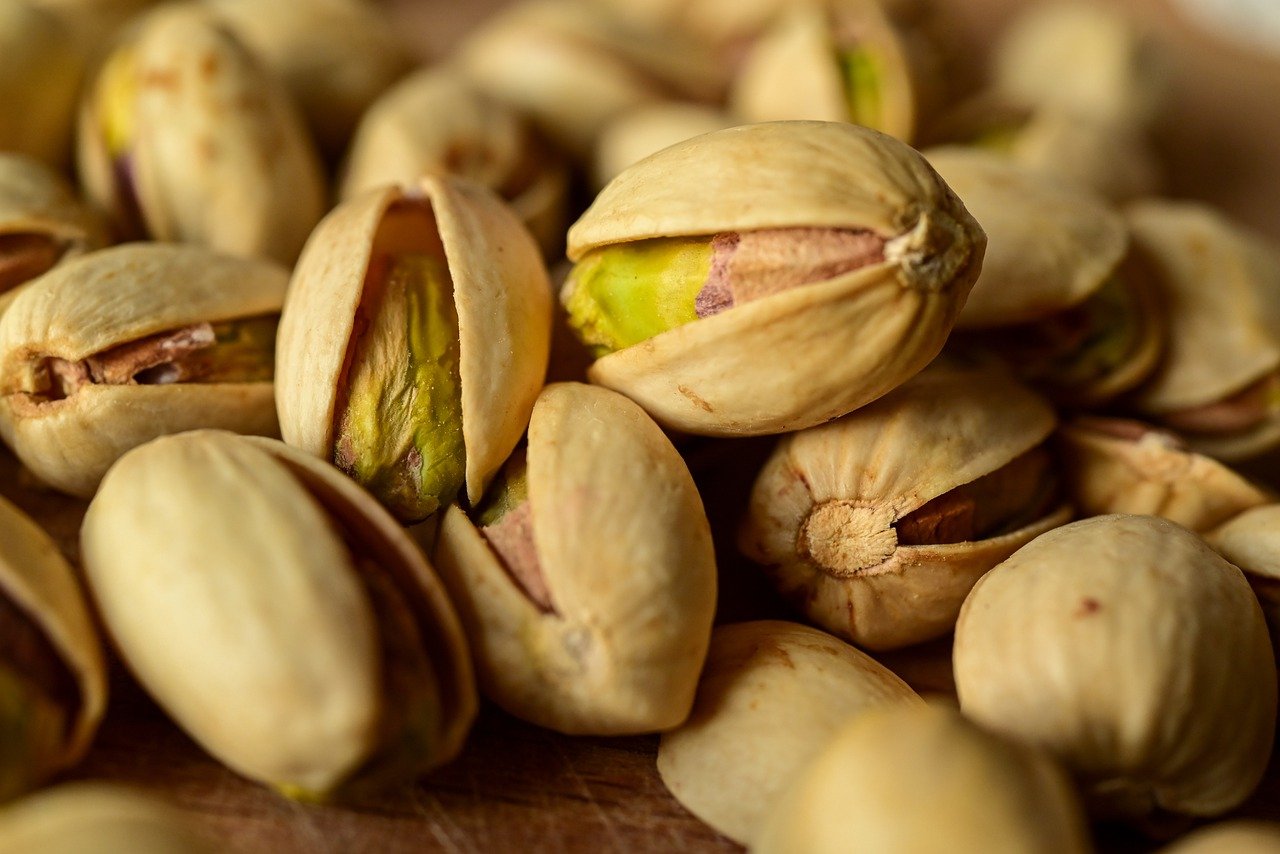
A pistachio food trend is sweeping the UK, as online searches for ‘pistachio butter’ are rising by 4,809% over the last year. Dr Anna Foreman, Everypaw Pet Insurance’s in-house vet, explains why it’s not a good treat for dogs…
Are pistachios safe for dogs?
Pistachios are safe for dogs and cats to eat in small quantities – they are not a toxic food.
What are the potential dangers of pistachios for dogs?
However, as they contain a high level of fat, eaten in larger quantities they can cause pancreatitis, inflammation of the digestive organs, which can be very painful.
Pistachios can also be a choking hazard, particularly in smaller dogs and cats. Ingestion of larger amounts of any ‘human’ food can cause gastrointestinal upset in animals because of their usually consistent diet.
Pistachios should only be fed in small volumes, although there is no set amount ‘recommended’, or a maximum that can be given. 4 or 5 pieces maximum over the course of the day for a medium-sized dog should do no harm.
What alternative can you give dogs?
There are healthier treats than pistachios to give to dogs, such as chicken, carrots, peas or blueberries. All should be given in moderation and their caloric content considered alongside an animal’s main meal to prevent obesity.
Can you give dogs pistachio butter?
Pistachio butter should be considered similarly – peanut butter is a less fatty alternative that is generally safe to feed, unless it contains xylitol which is toxic to animals.
Pistachio butter generally just contains pistachios, however oils are sometimes added to adjust the consistency. Vegetable oils are generally safe for animal consumption, again in small quantities.
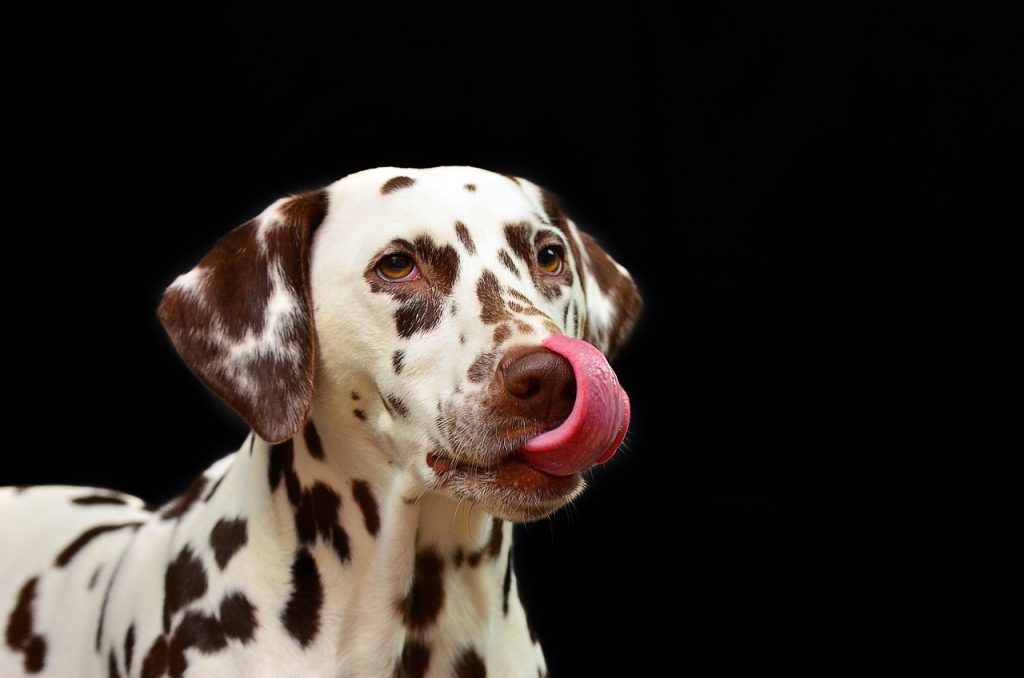
What about peanut butter? Are there any benefits to giving that to dogs?
Peanut butter is high in protein and fibre, and contains nutritional fats, folate, magnesium and several forms of vitamin B.
Peanut butter is a good tool for training and brain occupation. It is a high-reward treat, and can be used with dog safe objects, such as Kongs or lick mats, to provide a longer-lasting, more mentally stimulating treat than traditional chews and toys. It can also be used as a distraction when clipping nails, grooming etc.
What are the potential dangers of peanut butter for dogs?
Peanut butter is not toxic to dogs UNLESS it contains xylitol, a sweetener. Xylitol is highly toxic to dogs and cats – it leads to a loss of control of blood glucose (sugar) level, which can be life threatening. Care should thus be taken when purchasing peanut butter to check the ingredients – some products containing xylitol are not marketed as ‘low sugar’.
Peanut butter contains a high amount of fat, and in most forms is calorific. A dog’s caloric need is significantly lower than ours – a spoonful of peanut butter is equivalent to us eating a whole jar in smaller dogs!
The fat content can lead to gastrointestinal upsets (vomiting and diarrhoea), and in some dogs can trigger a condition called pancreatitis – inflammation of the organ involved in releasing digestive enzymes. Pancreatitis can be a very painful condition and require extensive hospital treatment in extreme cases.
Is ‘dog-friendly’ peanut butter actually safe for dogs?
Many dog-specific peanut butter brands have been created which market themselves as nutritional and healthy, however, looking at the ingredient list, many of these have the same composition as standard peanut butter and are not lower in fat or calories.
These peanut butters are fine to use as an occasional treat, however much like any food stuff or treat they should be given in moderation, and a dog’s main meal should be reduced accordingly so they are not ingesting excessive calories. Long term ingestion of excessive calories will lead to obesity, a major contributor to health risks and a poor quality of life, particularly in older dogs.
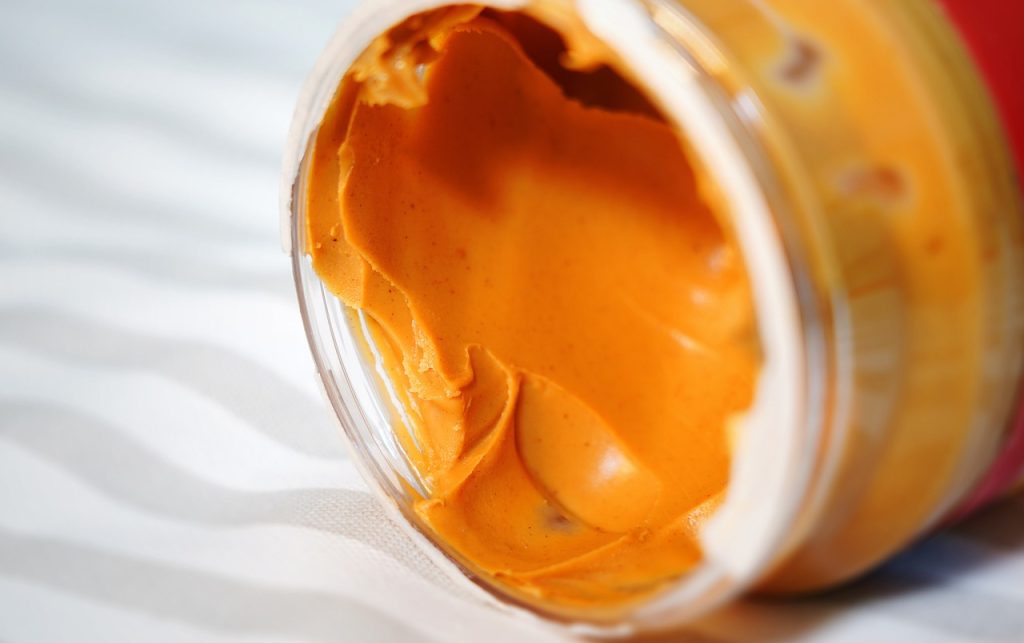
What are your tips for creating homemade peanut butter dog treats?
When creating home-made dog treats, recipes should be kept simple with minimal ingredients. Dogs are not like humans – they do not need (or usually receive) a varied diet, and so feeding them anything out of the ordinary is more likely to lead to a gastrointestinal upset, particularly diarrhoea.
Peanut butter can be used as an ingredient, as can other nutritional items such as carrot, cooked egg, sweet potato, banana and oats. Remember, these items are all calorific – resulting dog treats are thus also highly calorific. Many low calorie training treats are made from dried fish or meat rather than fruit, vegetables and carbohydrates for this reason.
Homemade dog treats have the potential to be toxic if certain items are used, including:
- Anything containing xylitol sweetener can be toxic
- Raisins
- Grapes
- Onions
- Garlic
- Certain nuts
- Large amounts of avocado
- Flavouring oils such as peppermint, tea tree and cinnamon
It is thus very important that recipes from reputable websites are used, such as the RSPCA, PDSA and Kennel Club.
This is a guest post by Dr. Anna Foreman. Want to write for us? Visit www.dogstodaymagazine.co.uk/essay-submission or email editorial@dogstodaymagazine.co.uk


